
Iceland
Akureyri
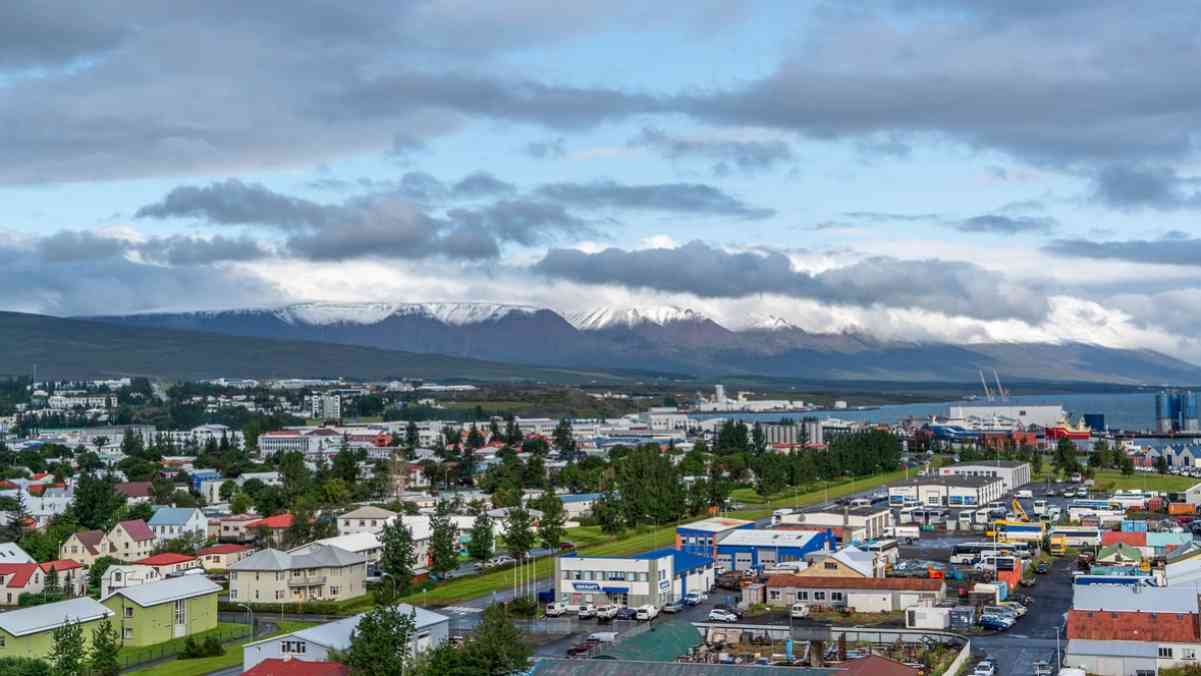
Aug
Introduction to Akureyri
Akureyri, pronounced [ˈaːkʏrˌeiːrɪ], is a vibrant town located in northern Iceland. It is the fifth most populous municipality in the country and is officially known as Akureyrarbær, meaning ‘town of Akureyri.’ As the largest settlement outside Iceland’s Capital Region, Akureyri includes the town’s neighborhood at the head of Eyjafjörður and extends to two islands: Hrísey at the fjord’s mouth and Grímsey off the coast. Often referred to as the “Capital of North Iceland,” Akureyri plays a crucial role as a port and fishing center.
Historical Background
Early Settlement and Development
The area around Akureyri was first settled in the 9th century by Norse Viking Helgi magri Eyvindarson. Despite its early settlement, Akureyri did not receive a municipal charter until 1786.
Danish merchants recognized the strategic importance of the natural harbor and the fertility of the surrounding area, establishing trading posts there in the 17th century.
However, permanent settlement began only in 1778, and the town was officially chartered eight years later by King Christian VII of Denmark, who aimed to enhance the living conditions of Icelanders by promoting urban development.
19th Century and Beyond
Despite these efforts, Akureyri’s growth was slow, losing its municipal status in 1836 before regaining it in 1862. From that point, the town expanded significantly, fueled by its excellent port facilities and the productivity of the nearby agricultural regions. By the 20th century, Akureyri had evolved into a vital hub, with commerce and services becoming the primary employers by the 1990s.
Akureyri During World War II
During World War II, Akureyri gained strategic importance as one of three air bases used by the Norwegian-British No. 330 Squadron RNoAF.
This base played a key role in protecting Allied convoys from German submarine attacks. Akureyri was also part of the German invasion plan of Iceland, known as Operation Ikarus, highlighting its strategic significance.
Post-War Growth and Modern Development
In the decades following the war, Akureyri experienced substantial growth, driven by the migration of Iceland’s population from rural to urban areas.
The fishing industry, a cornerstone of Akureyri’s economy, continues to thrive alongside emerging industries and higher education institutions, such as the University of Akureyri, founded in 1987.
Geography and Climate
Akureyri is located at the inland end of Eyjafjörður, surrounded by mountains such as Strýta and Kerling. The town occupies a narrow coastal strip, with land reclaimed from the sea contributing to its current layout.
The local climate is relatively mild for its latitude, thanks to geographical factors, with warmer summers and colder winters than other coastal regions of Iceland. The town’s botanical gardens flourish in this climate without the need for greenhouses.
Economy and Industry
The economy of Akureyri is diverse, with a strong emphasis on fishing, which has historically been a significant sector. Two of Iceland’s five largest fishing companies are headquartered in the town, taking advantage of its ice-free port.
Other industries, including business services and higher education, have also become increasingly important. Akureyri’s low corporate tax rate and favorable property taxes have fostered economic growth, despite occasional budget deficits at the local government level.
Cultural Life
Akureyri boasts a vibrant cultural scene, with numerous bars, restaurants, and festivals, particularly in the summer. The town is known for its strong folk culture, more prominent here than in Reykjavík.
The Akureyri International Music Festival and various other cultural events draw visitors from across Iceland and beyond. The town is also home to several museums, libraries, and notable churches, making it a cultural hub in northern Iceland.
Governance and Infrastructure
The governance of Akureyri is managed by a town council, elected every four years. The mayor, appointed by the council, oversees the town’s administration.
Akureyri has a well-developed infrastructure, including geothermal heating, which has been in place since the late 1970s. The town is connected to the rest of Iceland via Route 1, the Ring Road, and features an international airport primarily serving domestic flights.
Sports and Recreation
Akureyri is a hub for sports, with several clubs offering football, basketball, handball, and ice hockey. The town’s ice hockey team is the most successful in Iceland’s history.
The Akureyri Golf Club, the second oldest in Iceland, hosts the Arctic Open each summer. Akureyri has also produced notable athletes in football and mixed martial arts.
Transportation and Utilities
The port of Akureyri remains vital for the town’s economy, supporting fishing, freight handling, and tourism, especially during the summer months when cruise ships dock. The local bus service is fare-free, contributing to a significant increase in public transport usage. The town’s geothermal heating system, developed in the late 1970s, is a cornerstone of its utilities infrastructure, providing efficient and sustainable energy to residents.
Conclusion
Akureyri, with its rich history, strategic location, and thriving economy, stands as a beacon of northern Icelandic culture and development. From its origins as a Viking settlement to its modern role as a cultural and economic hub, the town continues to grow and evolve, balancing tradition with progress in a unique blend that defines its character.
